What We Offer
Apartment Makeovers
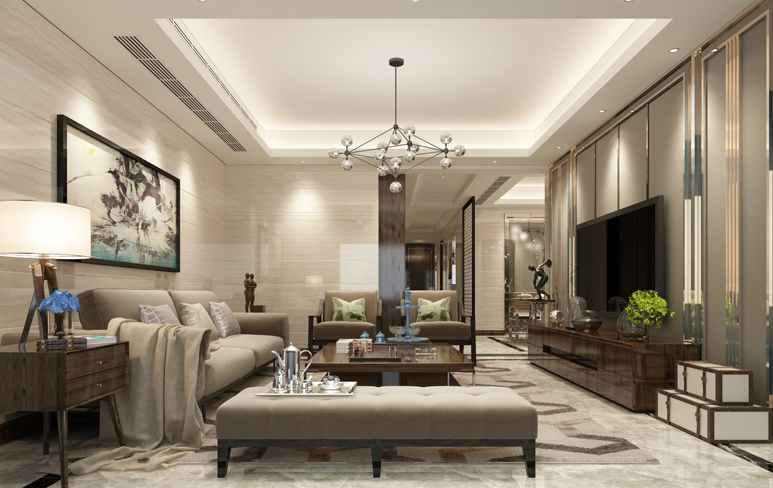
There are many ways to create that special look and feel when you do an apartment makeover ,and it doesn’t have to be expensive. If your apartment is small, then work with the precious amount available to create the most dramatic effects possible. If your apartment is small, it’s advisable to paint the walls all the same colour –preferably white. If you have ornate cornice and moldings, make them disappear. Outlining them can make the rooms feel smaller. Then, using a unified colour pallete for furnishings, textiles, and light fixtures: black, navy,and slate gray, you can anchor each small room with a large statement piece.
The bedroom can be an upholstered bed, the living room a large sofa and two smaller cocktail tables. It all adds to the flexibility and interest.If you have the luxury of a larger apartment, like the project we recently completed in the Elan, Potts Point, than you can make fashion statement with lots of layers, character-rich vintage pieces, and a few flamboyant colours. The entry way had a statement piece, the living and dining played with colour and layout to make the spaces seem larger.
The client hung unique art to take the place of the usual mirror, while dramatic paint
colours provided a texture that popped out against the neutral backdrop. A designer secret- if you do hang artwork and place floor mats, vary the widths of the frames and mats to add life and make the groupings more dynamic. The beauty of it all, large or small, you’re only limited by your imagination.

BathRoom Renovation
Renovating your apartment bathroom can be a challenge, particularly if you have people living above and /or below you. That is because each apartment is typical- they all have the same layout – kitchens above kitchens and bathrooms above bathrooms.
If you are wanting to change the layout, and you’re lucky enough to have an agreeable neighbour who will give access to your drainage in their ceiling space, you shouldn’t have a drama. However, major drainage work,such as the toilet could however be particularly
challenging.
Consult a builder /plumber if in doubt.
Getting Started
The best start is to look at your existing bathroom as to what you like and what you want to change. List features you’ve always wanted. Group them according to must-haves and niceto-haves. Tour model homes and showrooms, and scan magazines and websites to gather
inspiration.
2. Establish a budget.
Whether you want to gut your bathroom and start from scratch, or just make cosmetic
changes, it’s important to know how much you want to spend before you start. Also set
money aside for the unexpected, such as water or mould problems.

Remodelling Your Kitchen -The Steps
For avid cooks, seasoned hosts, and busy families alike, the kitchen is the centre of daily life—and a place where both beauty and function are more important than ever.
However, a kitchen renovation can be disruptive, but our guide will help you to understand
the processes, so you can be best prepared.
An Order of Steps
To begin, lay protective floor coverings and place plenty of drop sheets over your furnishing to protect them from the ever-present fine dust. Then have the plumber and electrician attend to disconnect the power and water prior to removing cupboards.
Once the cupboards, the flooring, and wall linings are removed, the plumber and electrician can start the “rough-in.” They will need to know all the products to be installed so they can place the pipes and electrics in the right spots. With the “rough-in” completed then it’s time to patch all the walls in preparation for the
cupboard installation.
Today, cabinets are made off site then delivered by the kitchen company ready to install.
They do need time to manufacture so allow about 4 weeks prior to the install date. Good
co-ordination is really important otherwise you can be left waiting while they are being
made.
Once installed then it’s time to install the kitchen bench tops. Again, this takes time so be prepared for a delay. However, it’s a good opportunity to get on with the painting and laying of the floor coverings. Once the benchtops are installed the plumber and electrician return to “fit off,”

Wall Removals
Removing walls is not for the faint hearted when site safety is paramount, but the results
can be nothing short of amazing. All of a sudden that million-dollar view or that expanded
space you’ve been craving is there is enjoy.
However, before the sledge hammers and dust protection gear comes out you need to know if the wall you’re wanting to knock down is load bearing or not.An experienced builder or engineer are good points of contact to answer these questions.
If it is load bearing, then an engineer will need to be consulted to design a beam to span the new opening.If the wall is non-load bearing, then the work can begin – once you have permission from the body corporate.
The Body corporate in most instances need to be informed of building work, particularly if
it’s in a well-managed apartment complex or high-rise development. They may also require
an Engineers certificate confirming the nature of the work, so talk to the building manager
or the chairperson to find out what’s the procedure.

What is the difference between and interior designer and an interior decorator?
Interior design is the art and science of understanding people’s behaviour to create
functional spaces within a building. They make indoor spaces functional, safe, and beautiful by determining space requirementsand selecting essential and decorative items, such as colours, lighting, and materials.Interior decorators on the other hand help determine the look and feel of a client’s homeby selecting and placing decorative elements such as paint, textiles, and furniture. Thisclient-facing role involves meeting directly with clients to get a sense of how they intend to use their space and how they want it to feel.
They plan, arrange and style the space, finishes and furnishings. They consider the purpose,
efficiency, comfort and aesthetic of interior spaces to arrive at an optimum design. They
specify furniture, lighting, flooring, colour and fabrics to produce an environment tailored to a purpose.
In short, interior designers may decorate, but decorators do not design.